Skip to content

Kaizen Dealer Direct/Japan → USA vehicle sourcing

Direct access to Japanese inventory.Sourced to spec, within your budget.

Tell us the vehicle you need and the maximum you'll pay landed at your lot. Our Japan-based team searches auctions, dealers and wholesale networks, sends you the auction sheet and a cost estimate for approval, then coordinates the purchase, export, shipping and US entry.

  • Japan-based team

    Real people sourcing on the ground

  • Multiple channels

    Auctions, dealers, wholesale, private

  • Budget is the cap

    Your max landed number governs every bid

  • One margin, disclosed

    Per transaction, agreed before purchase

01The sourcing problem

Japan has the inventory. Getting it to your lot is the hard part.

US demand for right-hand-drive Japanese cars keeps growing, but the supply sits behind closed auctions, a language barrier and a long logistics chain. Kaizen handles that side so you don't have to build your own operation in Japan.

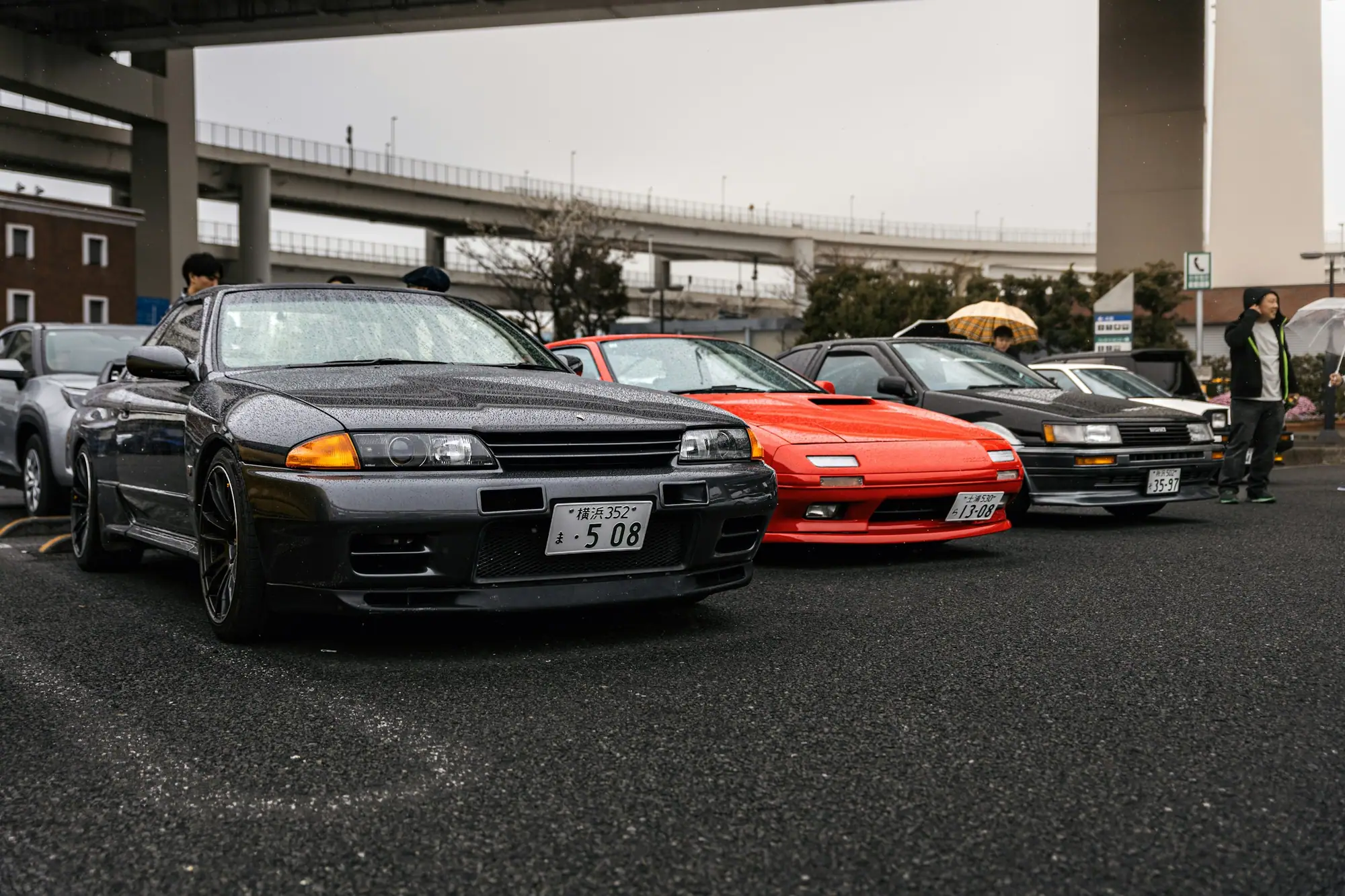
Rows of Japanese-market performance cars parked beneath an expressway in Japan

Auction access

The problem

Most of Japan's used-vehicle supply moves through members-only dealer auctions. A US dealer can't simply register and bid.

How Kaizen handles it

Our Japan team buys through licensed auction agents and also works dealer, wholesale and private channels. You need no membership and no Japanese entity.

Japanese-language signage lining a narrow Tokyo street

Language barrier

The problem

Listings, auction sheets, seller conversations and export paperwork are in Japanese, and that is where the important details sit.

How Kaizen handles it

Japanese-speaking team members read every sheet and talk directly with sellers and agents. You get a clear English summary and someone to call.

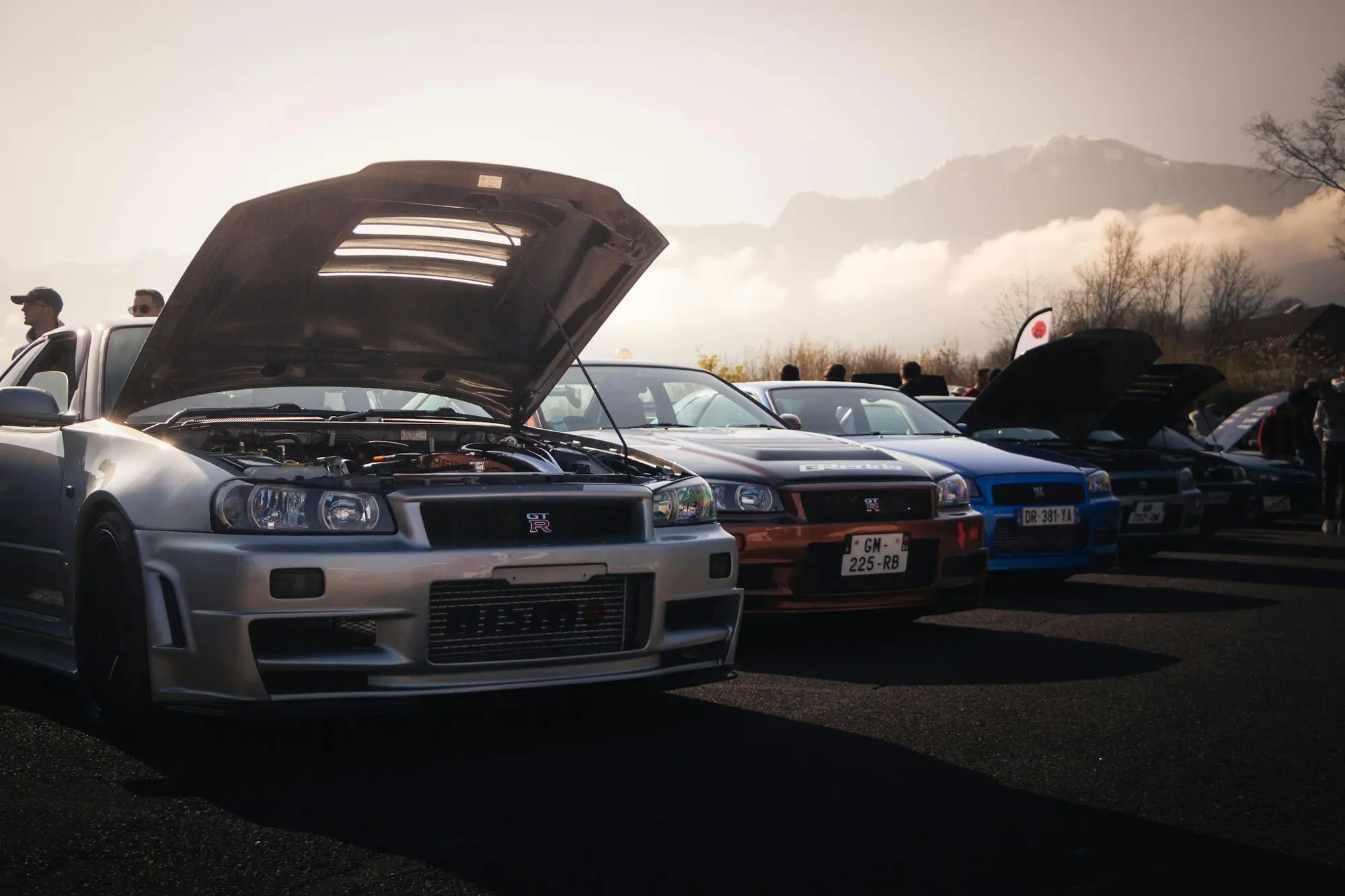
Nissan Skyline GT-R R34s lined up with hoods open for inspection

Inspection risk

The problem

Buying from across the Pacific means trusting a grade and a few photos. Hidden repairs or rust are expensive surprises once a car lands.

How Kaizen handles it

We translate the auction sheet and condition notes, request extra photos and arrange checks where the channel allows. Nothing is bought until you approve.

Pure car carrier vessel arriving in port

Shipping & customs

The problem

Export deregistration, ocean freight, insurance, US entry filings and inland transport. Each step has its own paperwork and its own delays.

How Kaizen handles it

We coordinate the whole chain through freight forwarders and licensed US customs brokers, and keep you updated at each handoff until the car reaches your lot.

02How Dealer Direct works

Five steps from buy list to your lot.

You stay in control of the decisions: the spec, the budget cap and which car gets bought. We do the work in Japan and coordinate everything between there and your dealership.

  1. Laptop and printed specification forms on a deskStep 01

    You submit the target vehicle and max landed budget

    Make, model, year range, spec, condition floor, quantity and timeline. Your maximum landed budget per unit is the cap for everything that follows.

    Your part: Submit a request

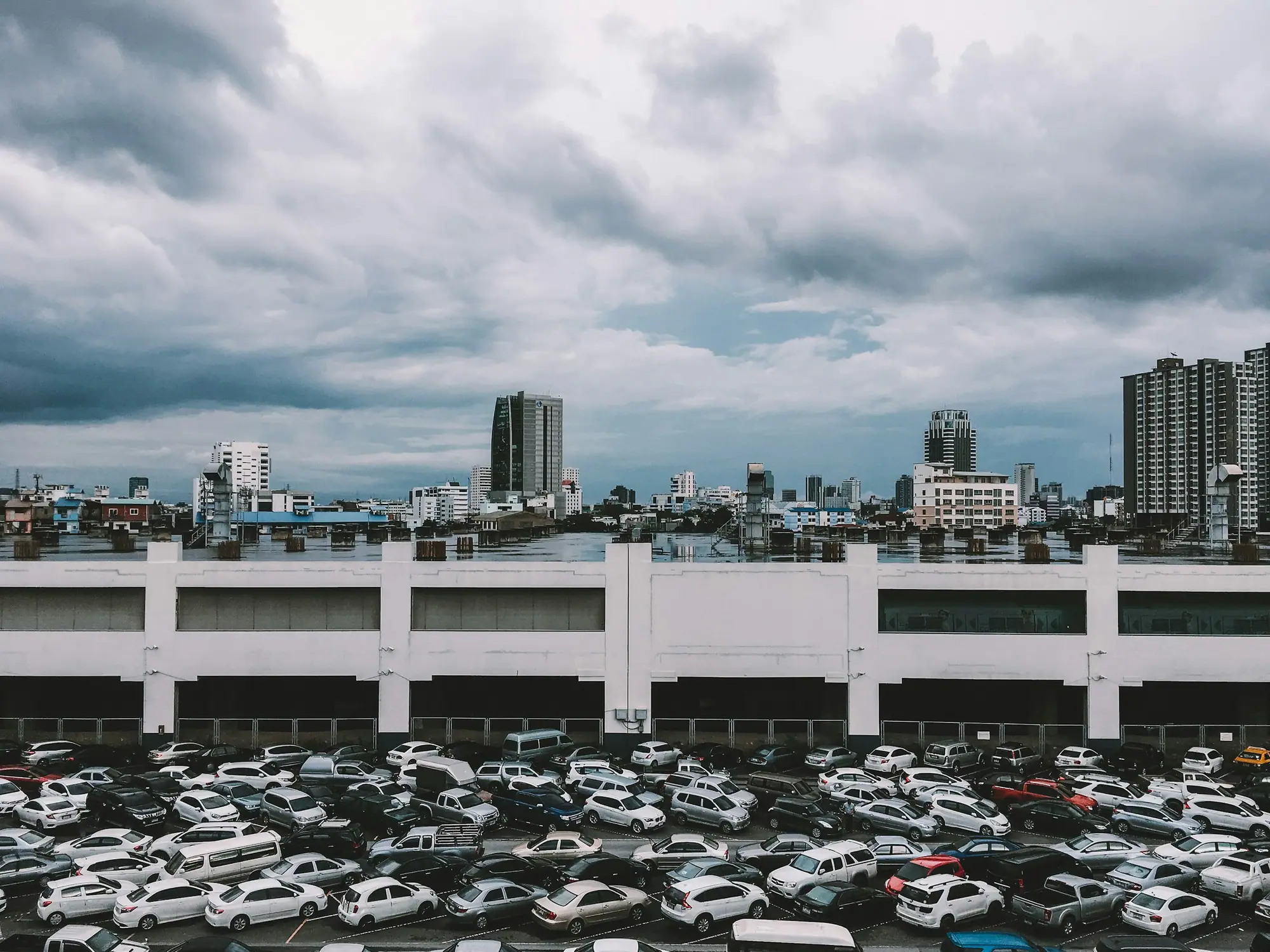
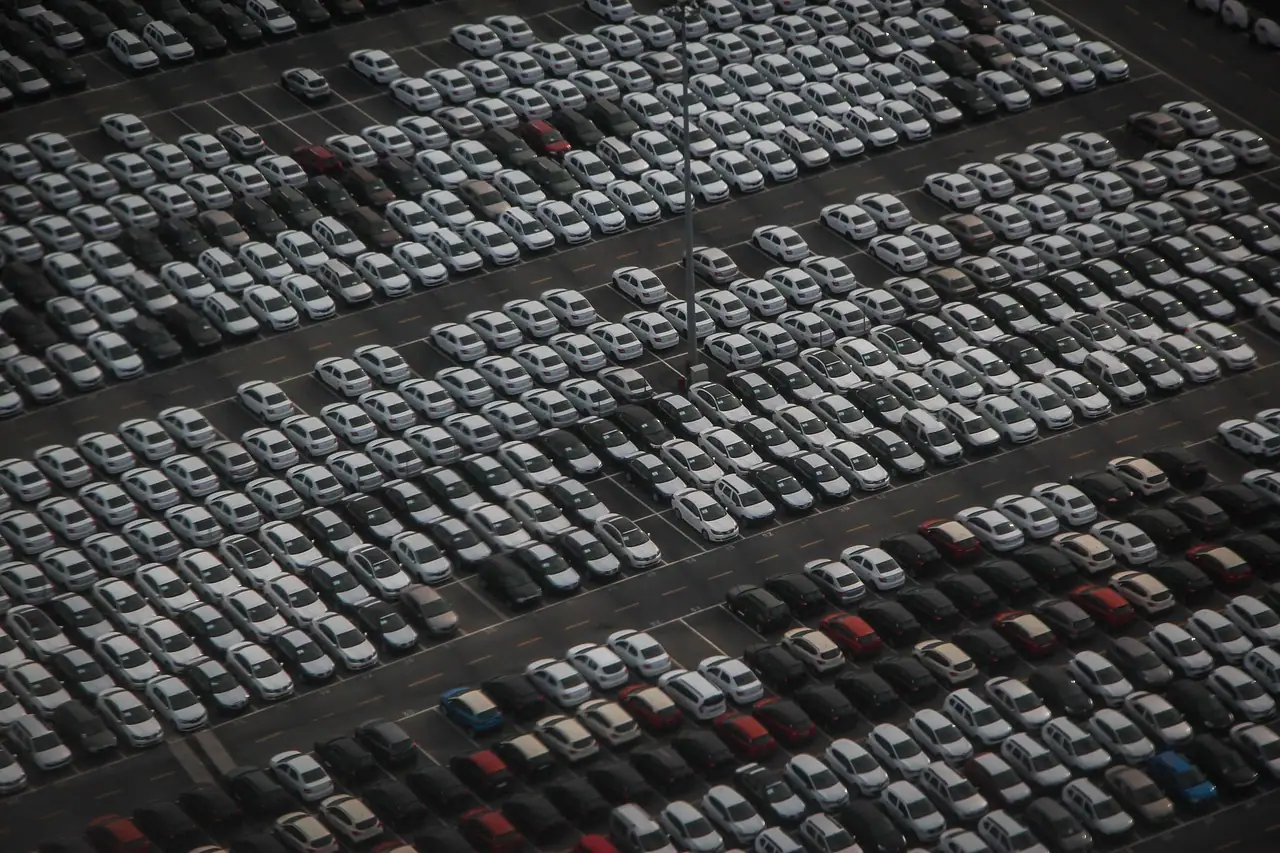
  2. Large vehicle lot packed with cars in a Japanese cityStep 02

    We source through Japanese auctions and dealers

    Our Japan team searches auction listings through our agents, plus dealer, wholesale and private channels, and estimates landed cost for each match.

    Your part: Wait for matches

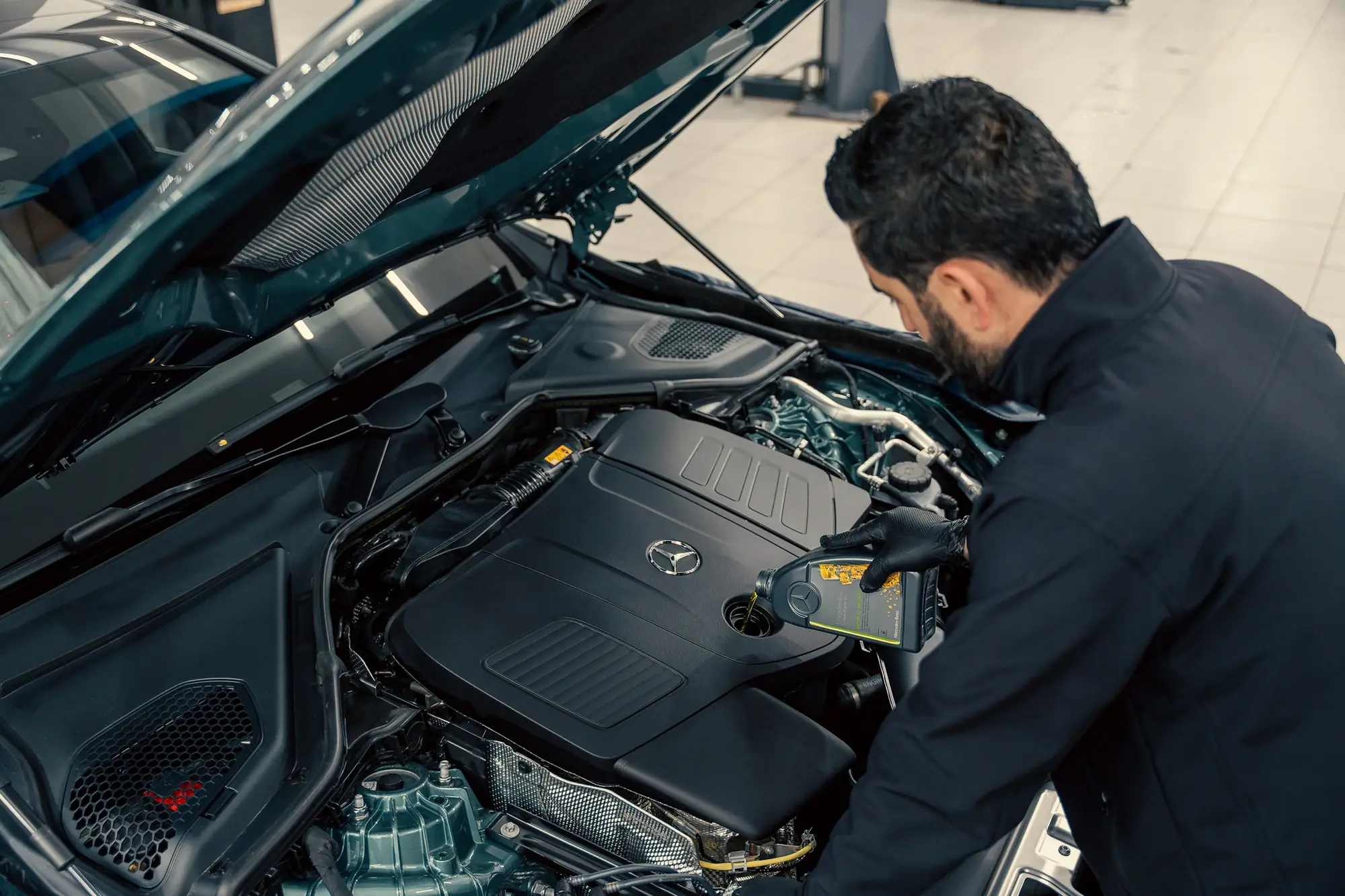
  3. Technician inspecting an engine bayStep 03

    Auction sheet and inspection review, sent for your approval

    For each candidate you receive the translated auction sheet or condition report, photos, our notes and an itemised landed-cost estimate. You approve or pass.

    Your part: Approve or pass

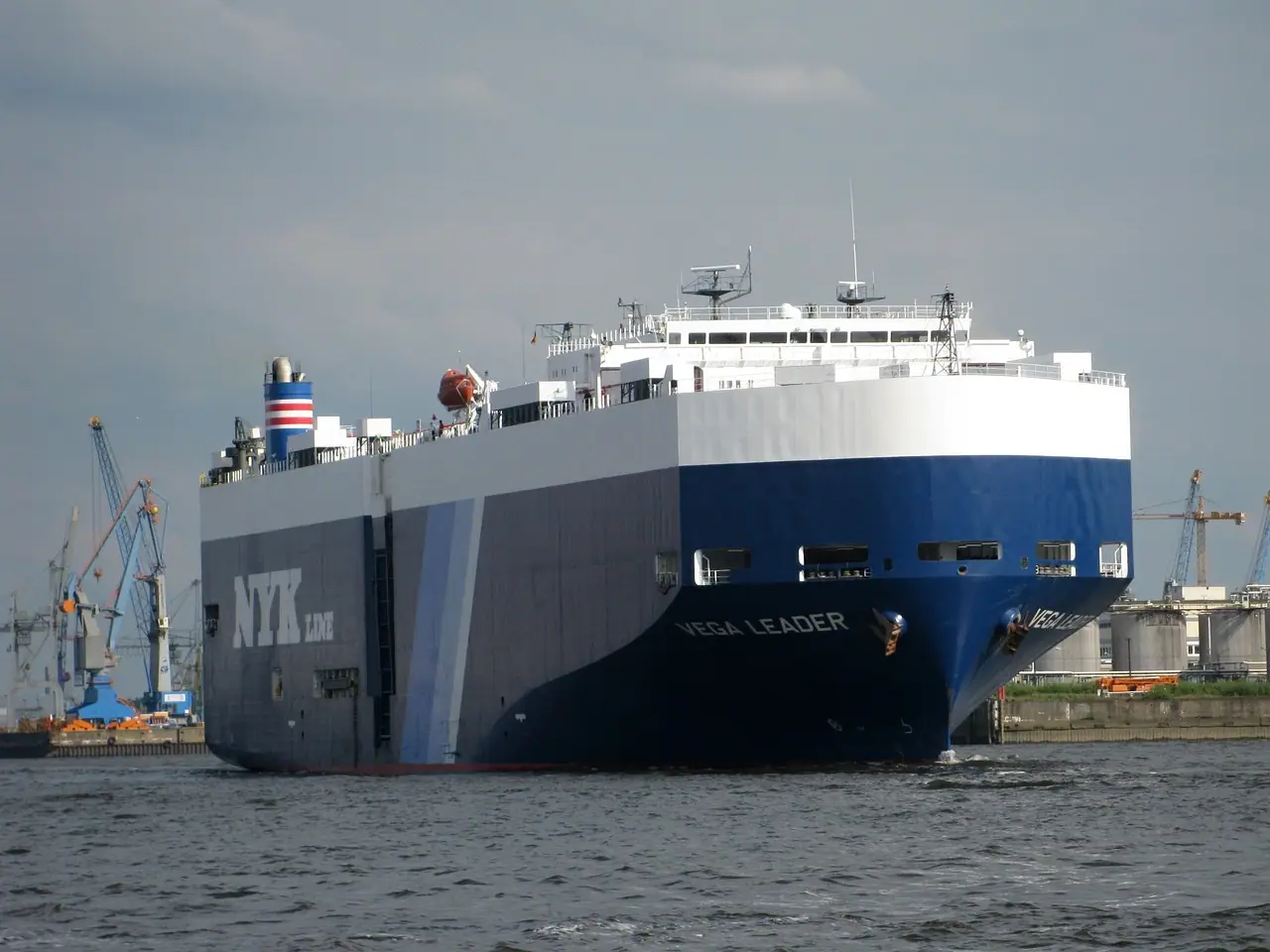
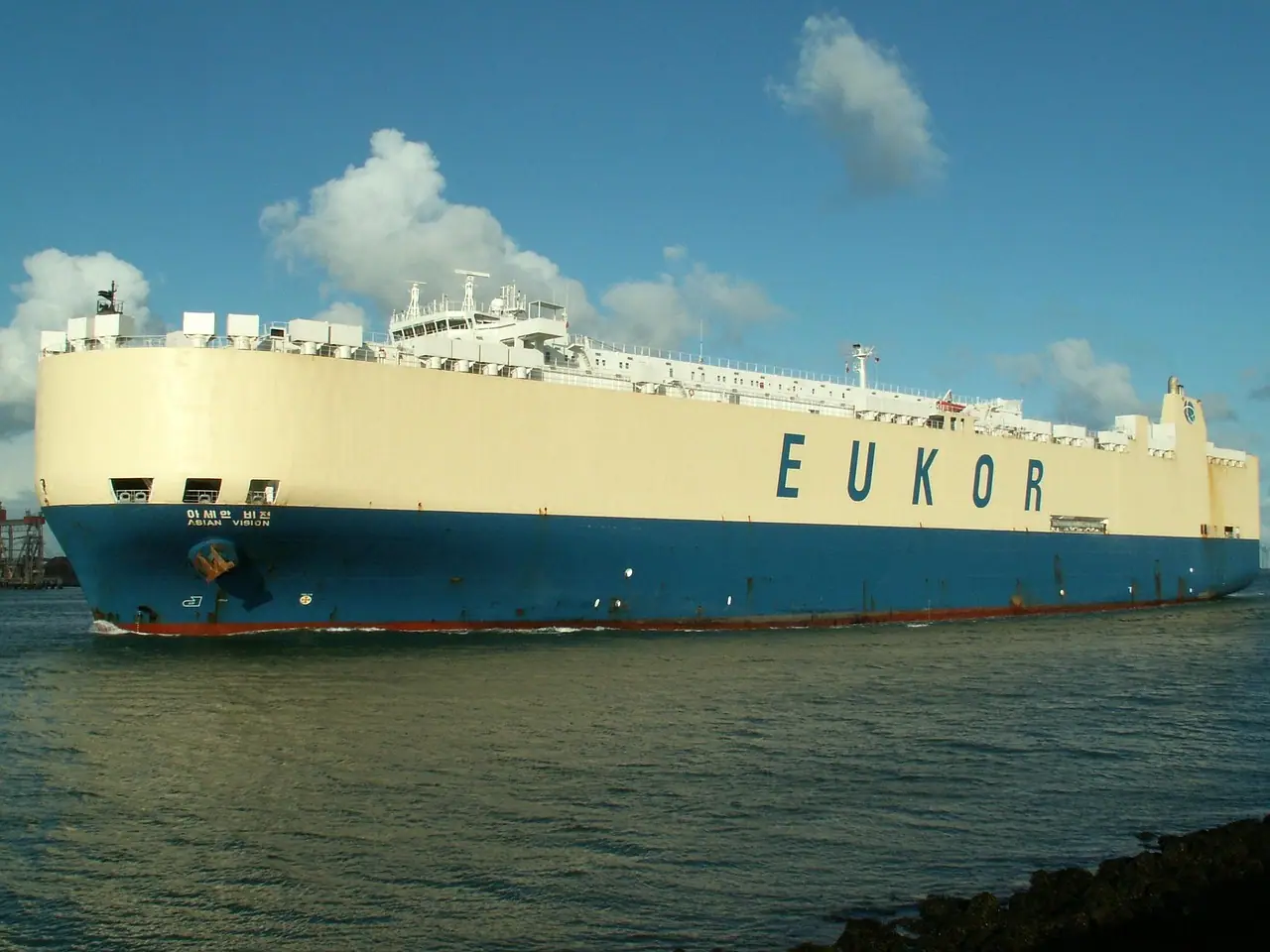
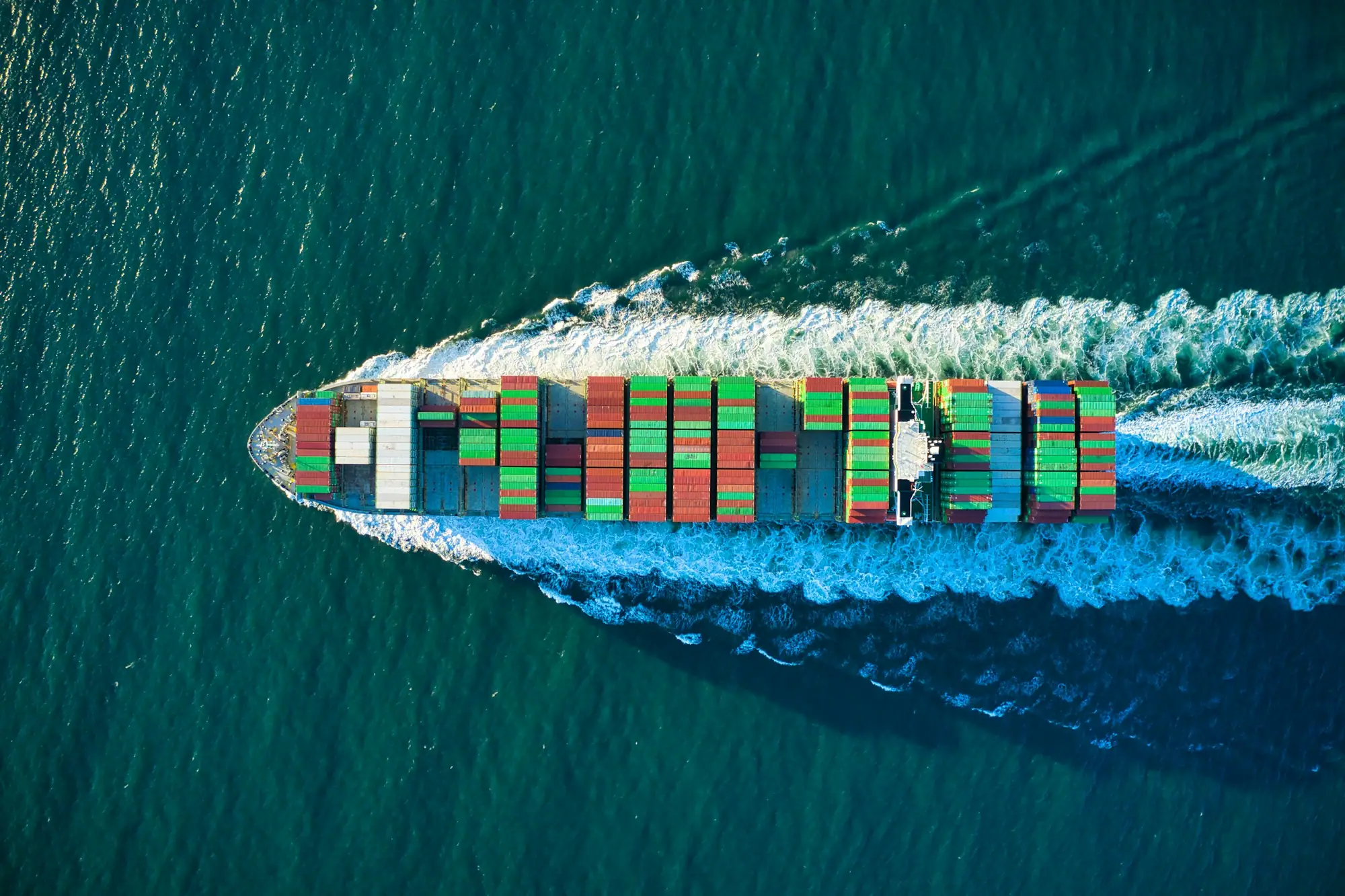
  4. Roll-on/roll-off car carrier ship underwayStep 04

    Purchase, export and ocean shipping

    Once you approve and the funds are in place, we buy the vehicle, move it to port, handle export deregistration and book RoRo or container freight to the US.

    Your part: Fund the vehicle

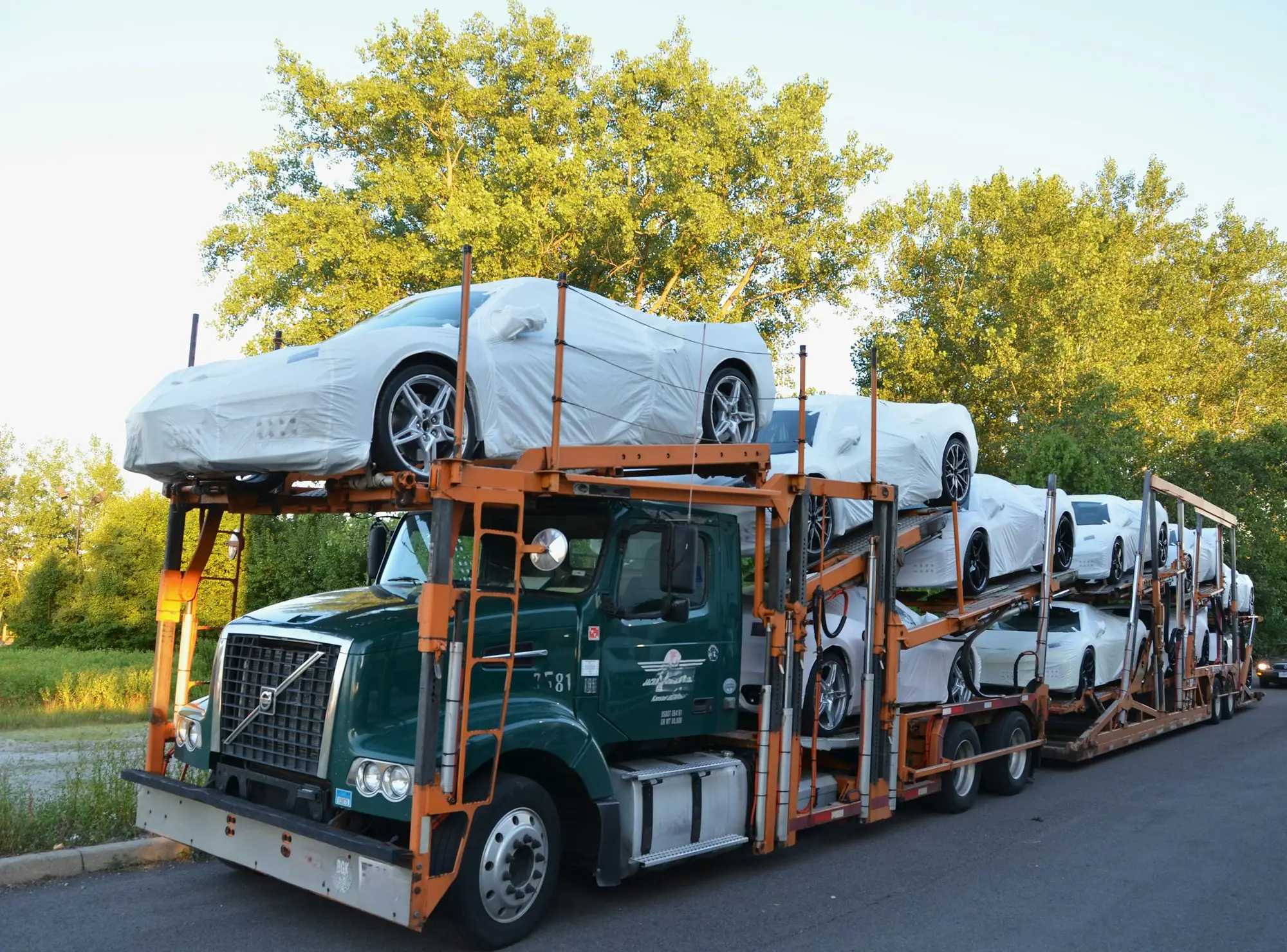
  5. Car transporter truck carrying covered vehiclesStep 05

    US customs clearance and delivery to your lot

    A licensed customs broker files the US entry (CBP, DOT and EPA forms). We then arrange inland transport and hand over the documents you need to title it.

    Your part: Receive and retail

Quotes, availability, import eligibility and timelines are estimates until each vehicle is verified. We confirm them with you in writing before any purchase.

Submit Your Dealer Buy List
Aerial view of a cargo ship crossing open ocean

03The route

From a Japanese port to your lot.

Most Japan-to-US vehicle shipments leave from Yokohama, Nagoya or Kobe and arrive at a West Coast port before going inland to you. Exact routing depends on the vessel schedule and your location.

Shipping route from Japan to the US West CoastVehicles depart Yokohama, Nagoya or Kobe, cross the Pacific (approximately 4,800 nautical miles to Los Angeles), and arrive at Long Beach, Oakland or Tacoma.日本USAYokohama · Nagoya · KobeTacoma · SeattleOaklandLong Beach · Los AngelesPACIFIC OCEAN · ≈4,800 NM
Illustrative route map, not to scale.
  1. 01

    Purchase & inland transport

    Vehicle is bought and trucked to the export port.

    Japan

  2. 02

    Export deregistration

    Export certificate is issued and the car is cleared for loading.

    Yokohama · Nagoya · Kobe

  3. 03

    Ocean transit

    RoRo or container across the Pacific, insured in transit.

    Pacific Ocean

  4. 04

    US entry

    Licensed broker files CBP entry plus DOT HS-7 and EPA 3520-1.

    West Coast port

  5. 05

    Delivery

    Inland transport to your dealership with title documents.

    Your lot

Map is illustrative and not to scale. Transit times vary by vessel schedule and season.

04In-demand models

Models with strong US resale demand.

These are model lines we search for regularly, not vehicles we have in stock. We can also look into other Japanese vehicles depending on your demand, what's available, the margin and US import eligibility.

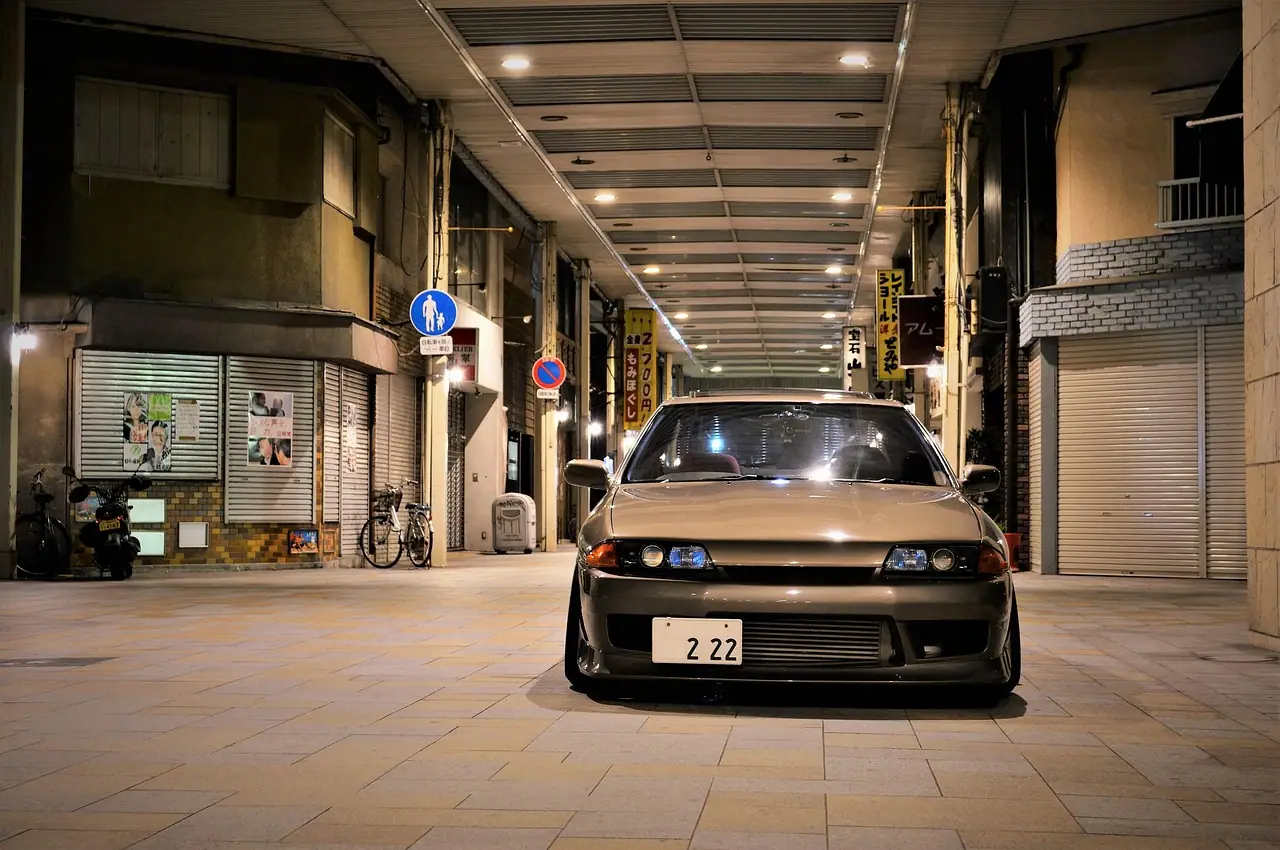
Nissan Skyline GT-R R32 on Japanese plates in a covered arcade
R32/R33 eligible · R34 rolling

Nissan Skyline GT-R

BNR32 · BCNR33 · BNR34 · 1989–2002

The flagship JDM request. R32 and R33 are fully eligible; R34s become eligible month by month as they pass 25 years.

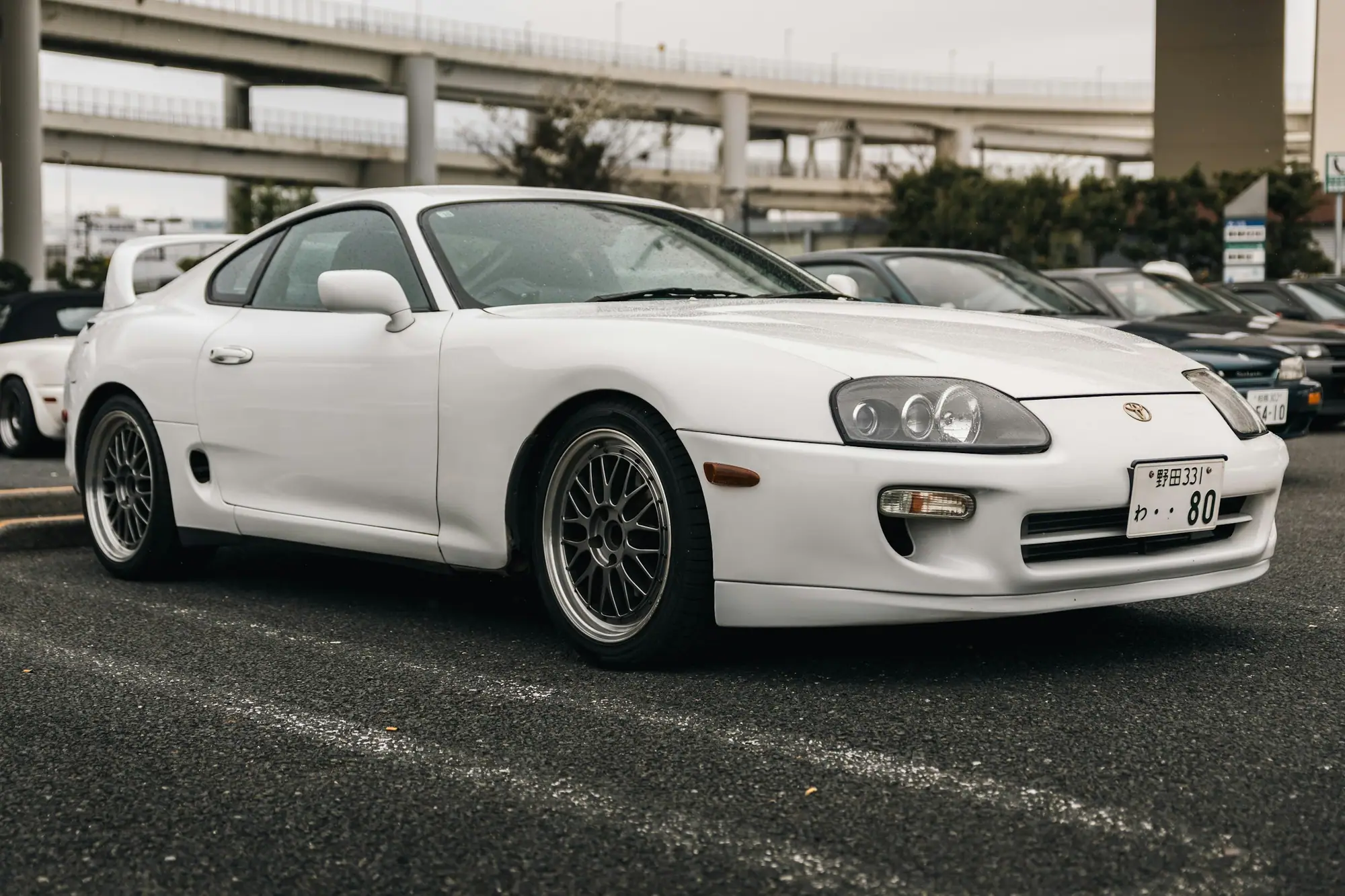
White Toyota Supra A80
Rolling by build date

Toyota Supra

JZA80 · 1993–2002

Japan-only grades and later VVT-i cars draw strong retail interest, and clean, unmodified examples are getting harder to find.

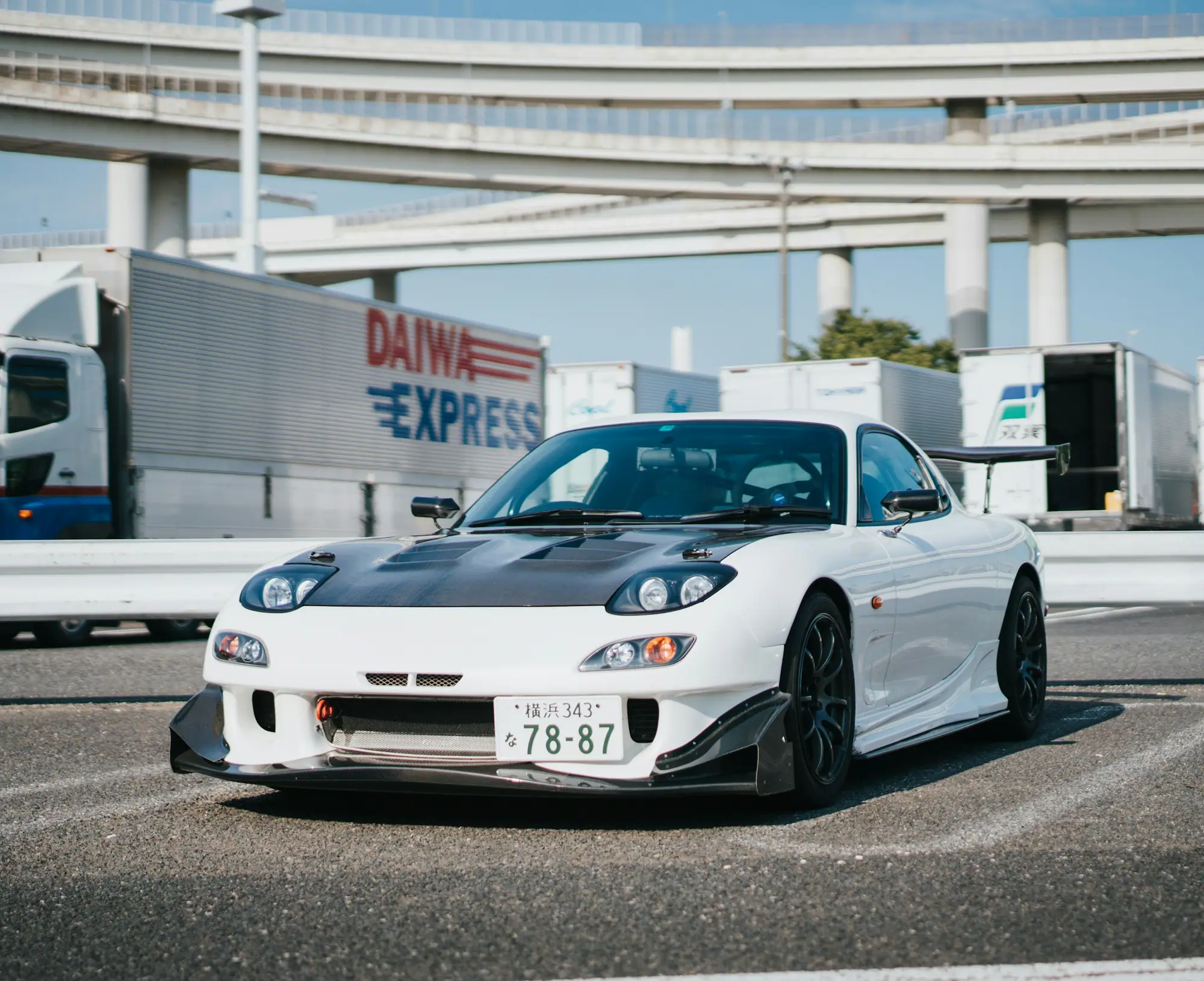
White Mazda RX-7 FD3S on Japanese plates near a freight terminal
Rolling by build date

Mazda RX-7

FD3S · 1991–2002

Late-production Japan-market cars, including the final Spirit R, were never sold in the US. Rotary buyers know exactly what they want.

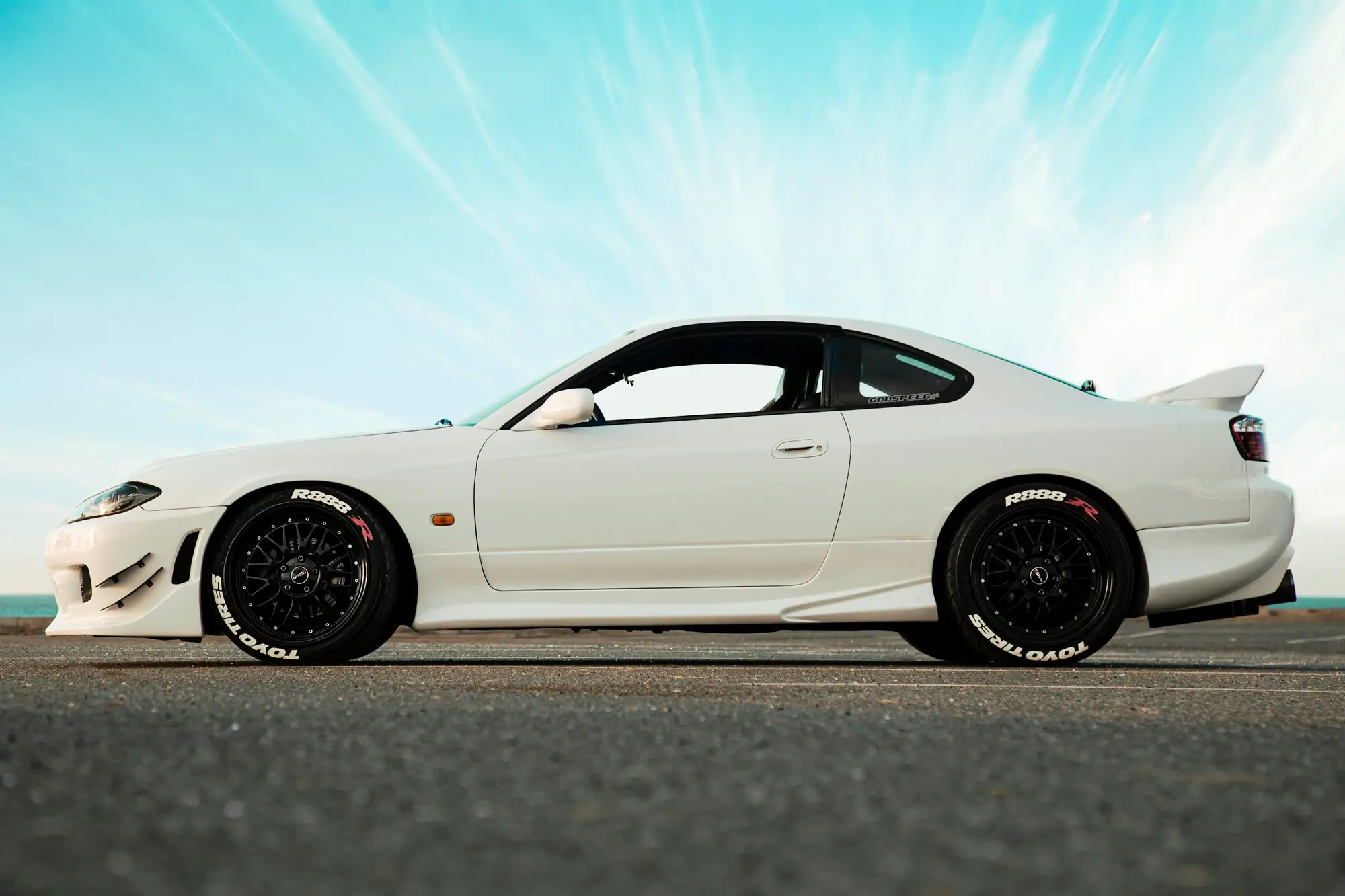
White Nissan Silvia S15 in profile
S15 rolling by build date

Nissan Silvia

S13 · S14 · S15 · 1988–2002

The S15 was never offered in the US. Demand from the drift and tuner market keeps sell-through quick when condition is right.

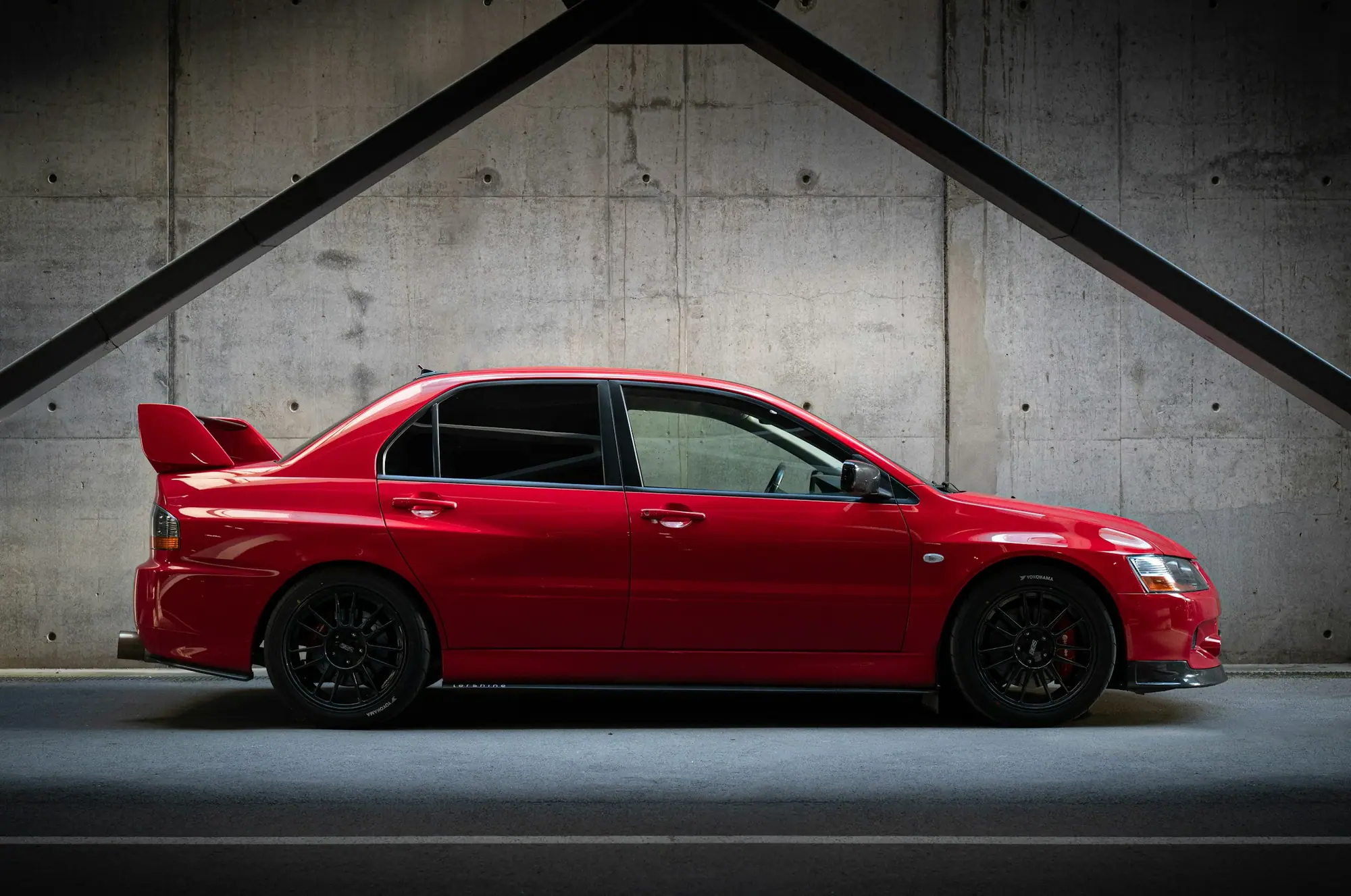
Red Mitsubishi Lancer Evolution in a concrete studio
I–VI eligible · VII rolling

Mitsubishi Lancer Evolution

CD9A → CT9A · 1992–2003

Evolutions I through VII were Japan-only. The US only got the Evo from VIII onward, so earlier cars stand out on a lot.

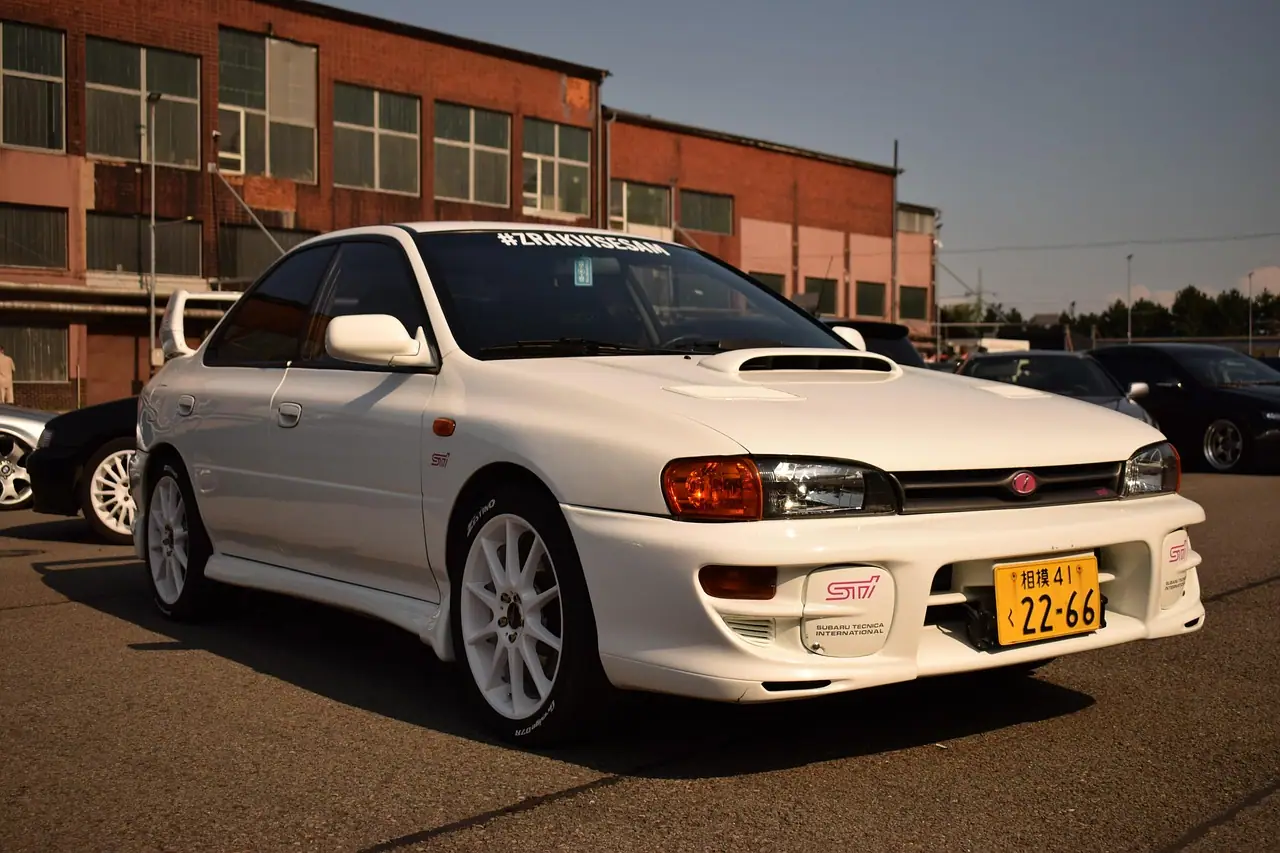
White Subaru Impreza WRX STI GC8 on Japanese plates
GC8 eligible · GDB rolling

Subaru Impreza WRX STI

GC8 · GDB · 1994–2007

GC8 STI versions were never sold here. Rally-bred, AWD, and familiar to US buyers from the later STI cars.

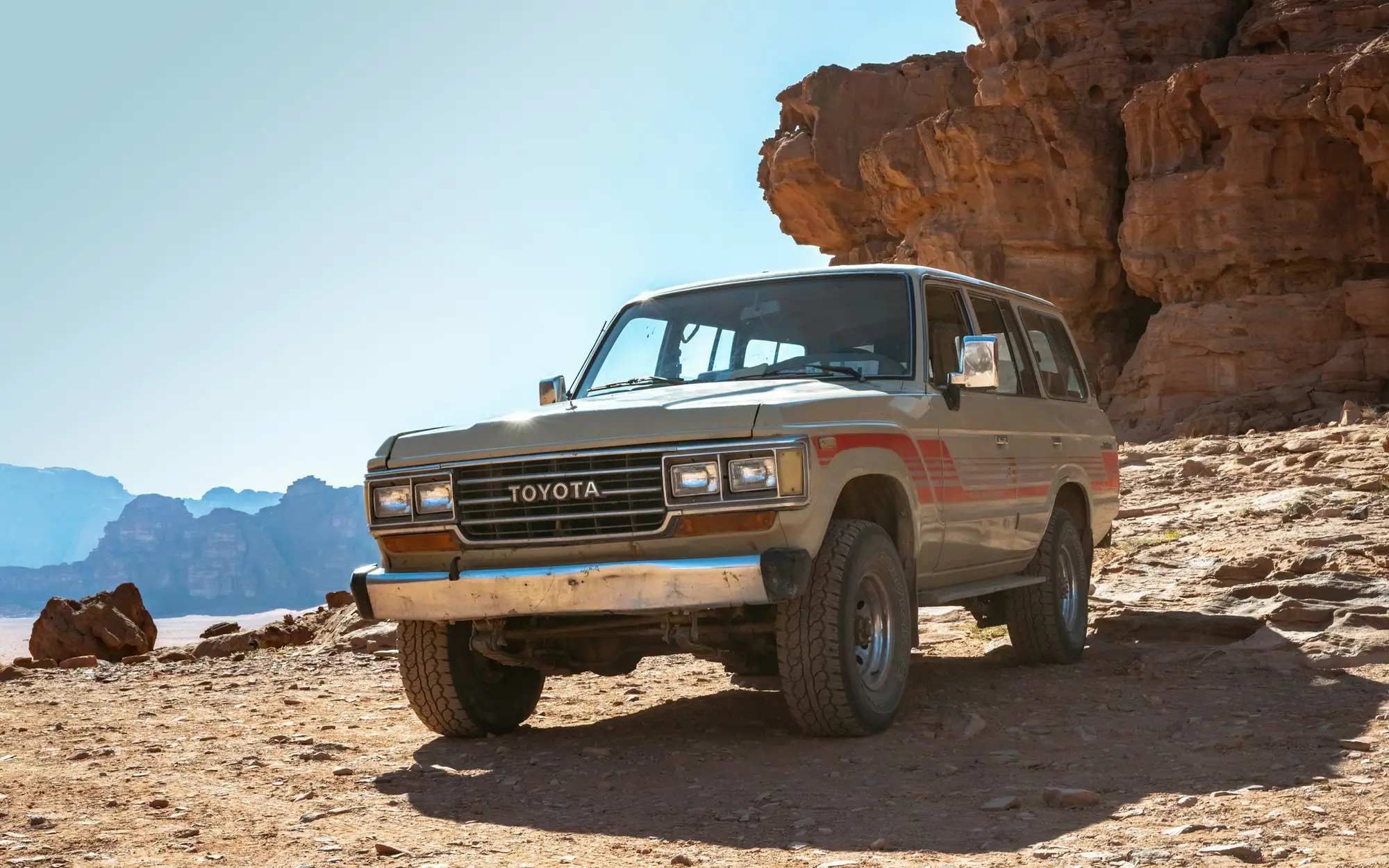
Classic Toyota Land Cruiser 60 Series
Broadly eligible

Toyota Land Cruiser

60 · 70 · 80 Series · 1980–1997

Japan-market diesel and 70 Series variants never offered new in the US. Overland and collector buyers pay for originality.

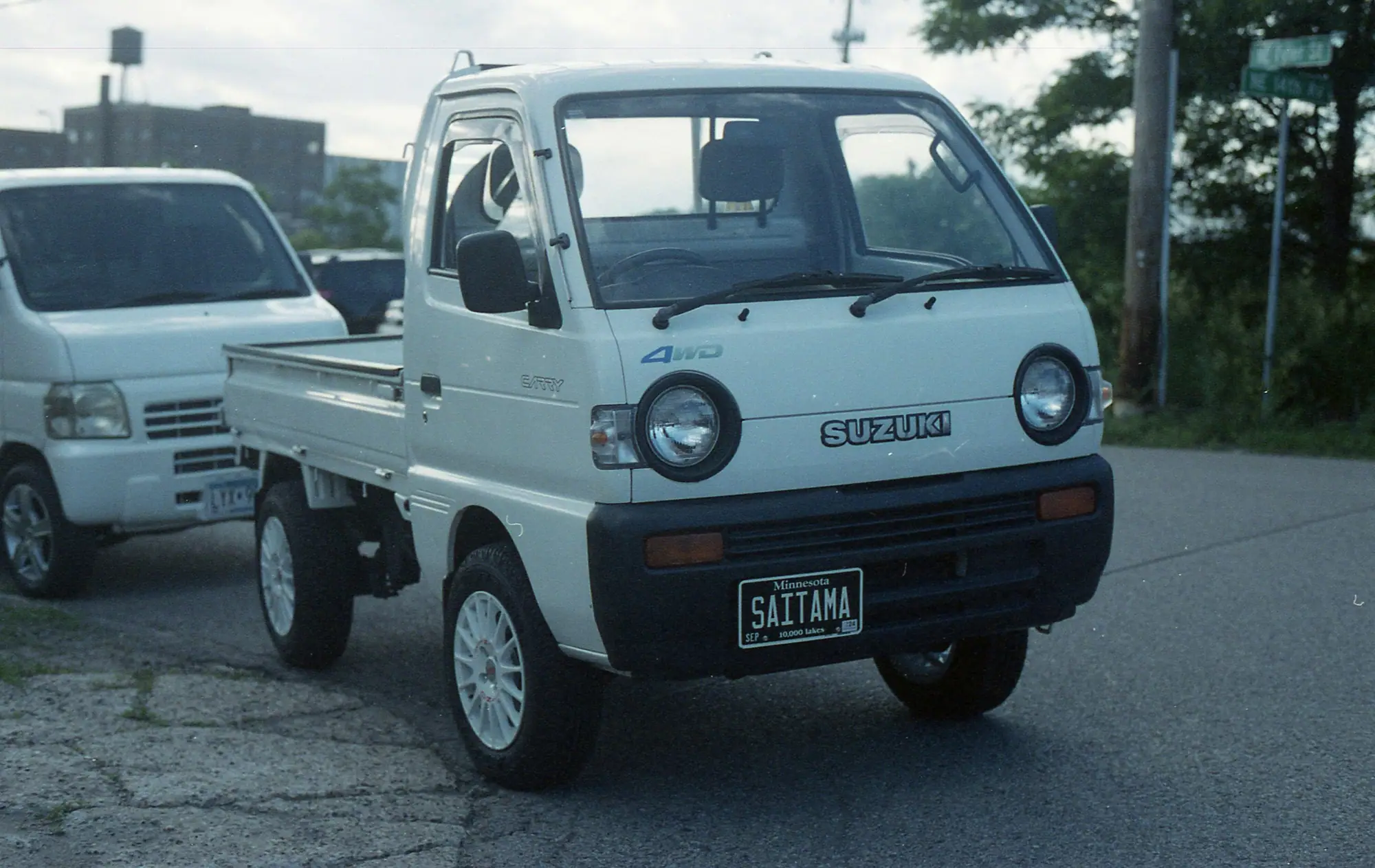
Suzuki Carry kei truck on Japanese plates
Eligible · state rules vary

Kei trucks

Carry · Hijet · Acty · Sambar · 1990s–2001

Steady demand from farms, ranches, campuses and property managers. Road-registration rules vary by state, so check before you stock.

Photos show examples of each model line and are not listings. Also frequently requested: Toyota Chaser and Mark II, Mitsubishi Delica and Pajero, Honda NSX and Integra Type R, Nissan Stagea and Fairlady Z. Eligibility depends on each vehicle's date of manufacture.

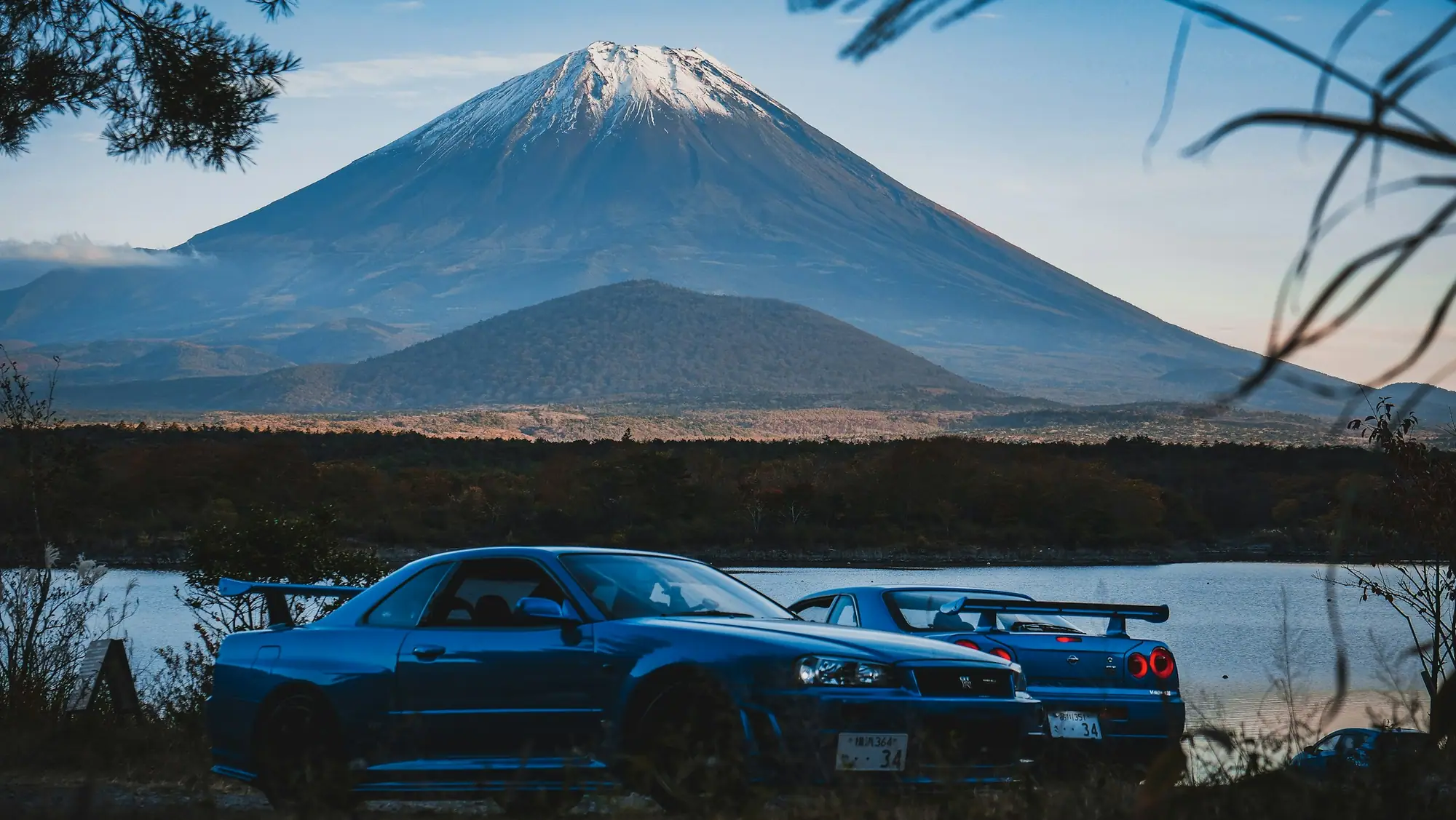
Nissan Skyline GT-Rs parked in front of Mount Fuji

0525-year import rule

Is it eligible this year?

Most Japan-market vehicles can only be imported for road use once they're at least 25 years old, counted from the month of manufacture. Enter a model year to check.

This is a quick guide, not legal advice. EPA rules and some state requirements (California in particular) apply separately, and the build date on the vehicle is what counts. We confirm eligibility for every vehicle before you approve it.

Nissan Skyline GT-Rs parked in front of Mount Fuji
R34 Skyline GT-Rs reach 25 years month by month through 2027.

Turning 25 during 2026

2001 vehicles become eligible month by month this year. Cars built up to about Oct 2001 qualify now; later builds qualify on their 25th anniversary. Add the build month for a precise answer.

Becoming eligible in 2027

Selected 2002 Japan-market models, eligible as each one turns 25:

  • Nissan Skyline GT-R R34 V-Spec II Nür / M-Spec Nür
  • Mazda RX-7 Spirit R (FD3S)
  • Toyota Supra RZ (JZA80, final production)
  • Nissan Silvia S15 (final year)
  • Honda NSX-R (NA2)
  • Nissan Fairlady Z (Z33)
  • Mitsubishi Lancer Evolution VII GT-A
  • Daihatsu Copen

06Pricing model

Transparent by design. You see every line.

No inventory markup and no hidden spread. You fund the vehicle you approve, your landed budget is the hard cap, and Kaizen earns one margin per transaction, agreed before purchase.

You fund the vehicle

Purchase funds go to the vehicle you approved. We don’t hold inventory or buy speculatively, so there’s no markup on stock we had to move.

Your landed budget is the cap

Every candidate comes with an itemised landed-cost estimate. If the estimate goes over your maximum, we don’t bid. Costs are confirmed once the vehicle is verified.

One margin per transaction

Kaizen earns a margin per vehicle. It is stated in writing before you approve a purchase and shown as its own line, separate from the vehicle cost.

Landed budget

The number you set is the ceiling, not a starting point.

What goes into a landed-cost estimate

Vehicle price
Hammer price or dealer price, plus auction or agent fees
Japan inland transport
Seller location to export port
Export handling
Deregistration, export certificate, port charges
Ocean freight & insurance
RoRo or container, marine insurance
US duty & entry
Duty set by classification, plus broker and port fees
US inland transport
Port to your dealership
Kaizen margin
Agreed per transaction, shown as its own line

Estimates are itemised for each candidate vehicle. Final figures depend on verification, freight and exchange rates at purchase, and duty classification. Pricing terms are confirmed in writing per transaction.

Get a landed-cost estimate
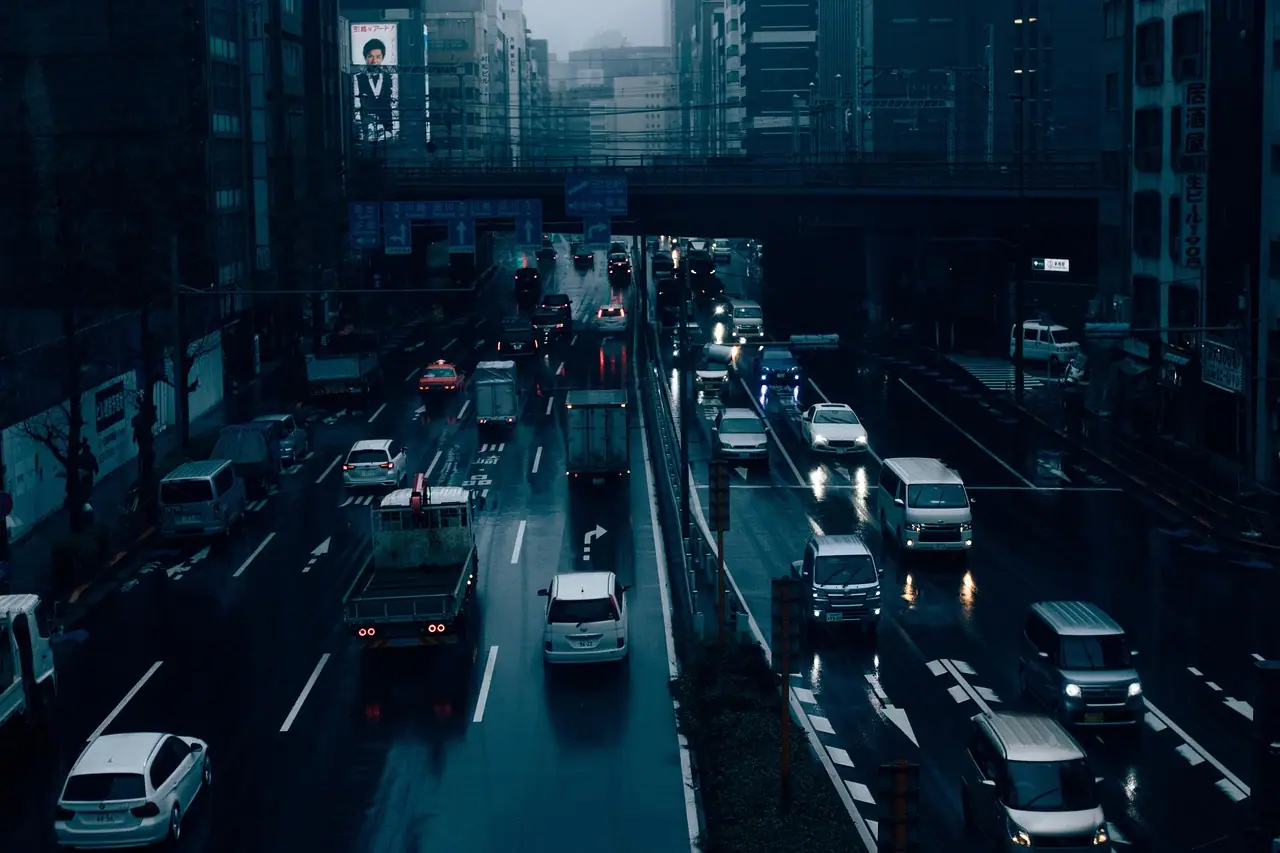
Traffic on a multi-lane Tokyo avenue at dusk

07The team

A US company with people on the ground in Japan.

Kaizen Imports is operated by Arete Global LLC in Sheridan, Wyoming. Sourcing happens in Japan, import coordination and dealer relationships are handled from the US, and you deal with the same small team the whole way.

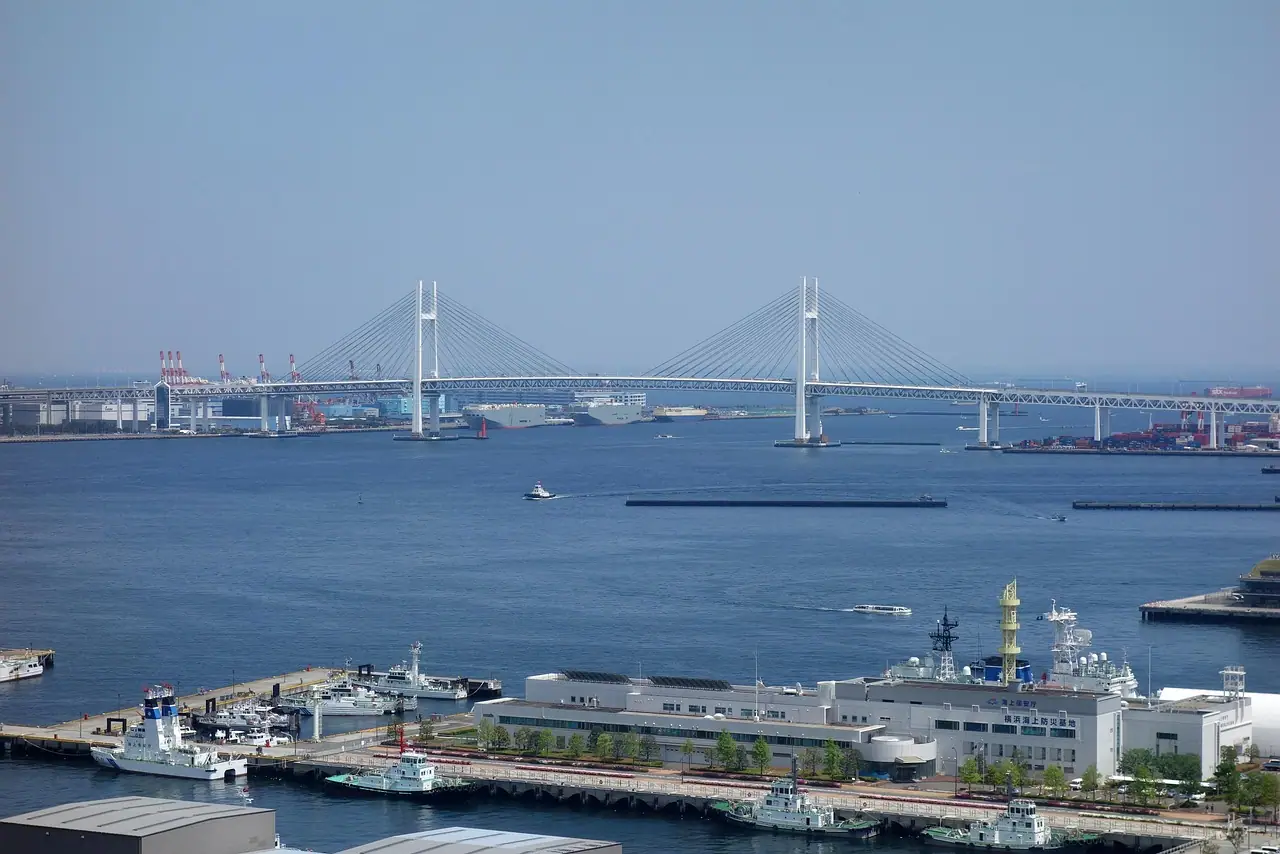
Yokohama Bay Bridge and port facilities

Japan

Yujin, Japan Operations

Yujin

Japan Operations

Japanese sourcing, supplier relationships and export coordination.

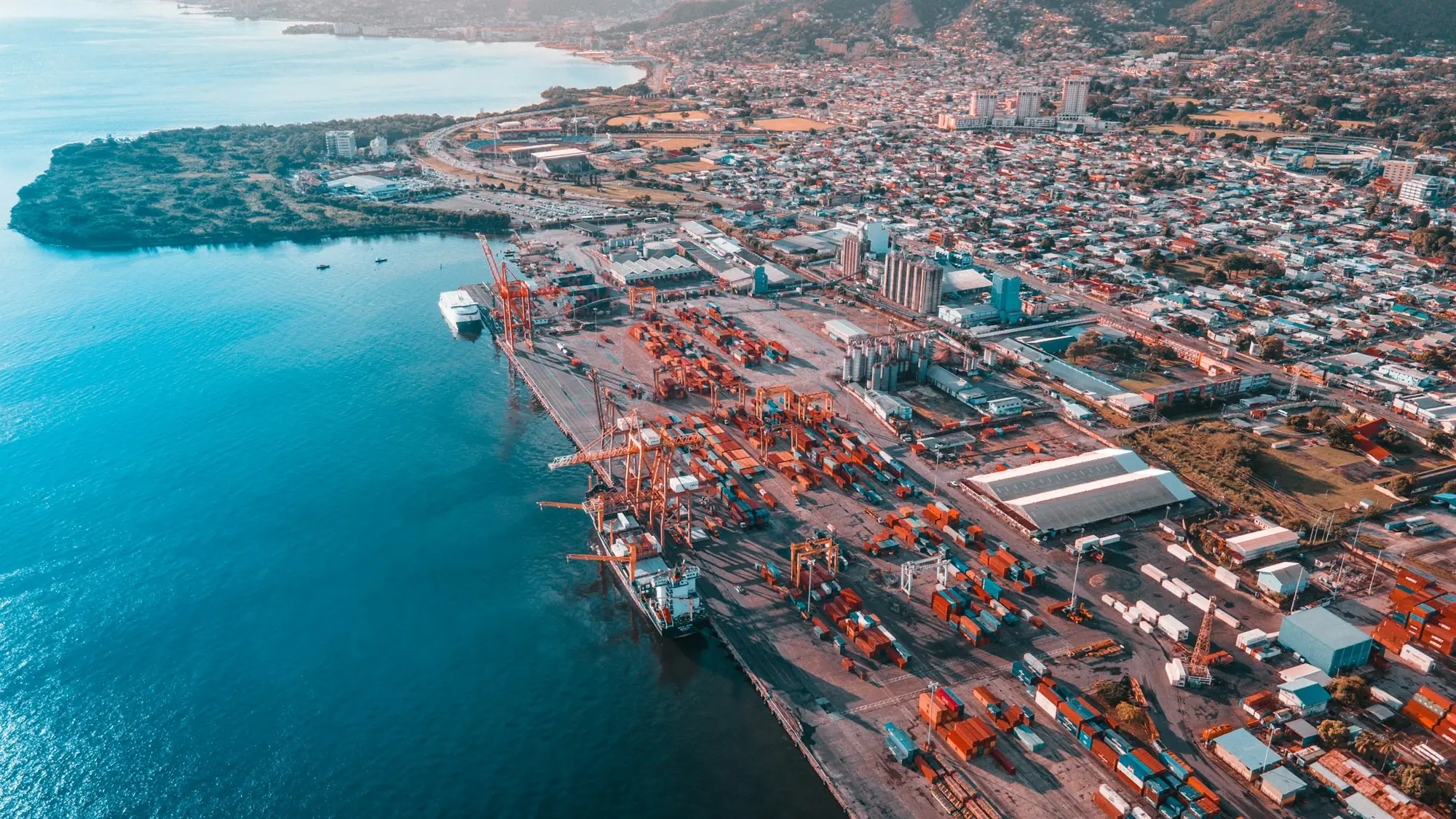
Aerial view of a container port terminal

United States

Gabriel, US Operations & Dealer Development

Gabriel

US Operations & Dealer Development

US dealership relationships, customs coordination and logistics.

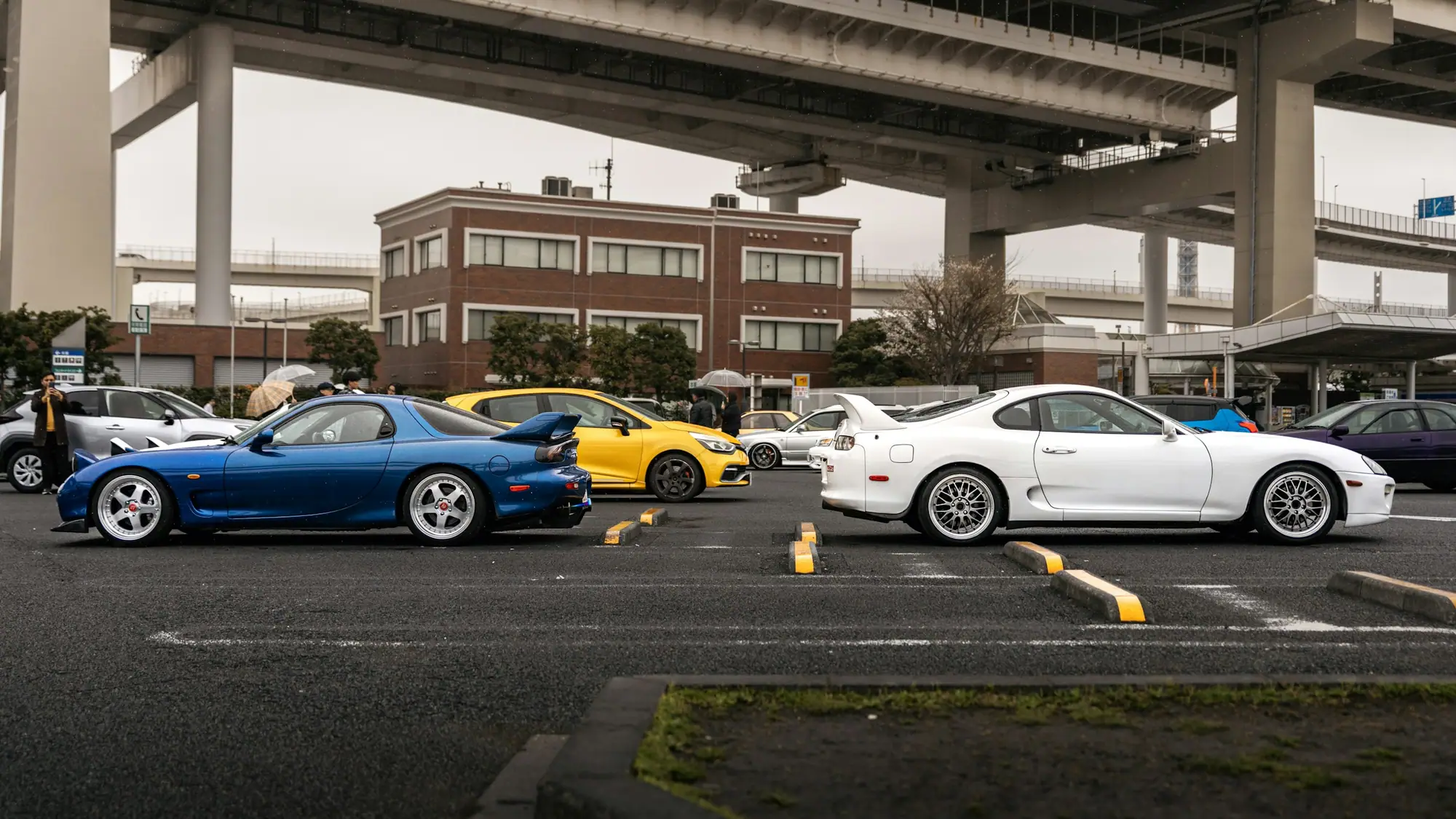
Mazda RX-7, Toyota Supra and other JDM cars parked under an expressway in Japan

United States

Sam, Founder & Managing Member

Sam

Founder & Managing Member

Strategy, commercial operations, pricing and management.

08Dealer FAQ

Straight answers before you commit.

Some terms are still being finalised as we set up our first dealer relationships, and we say so where that's the case. Anything else, email contact@kaizenimportsusa.com.

Container terminal at night with long-exposure light trails

Transparency is our operating principle: you see the sheet, the photos and the numbers we see.

  • Yes. Dealer Direct starts from your buy list: one specific car (model, grade, color, transmission, mileage ceiling) or a repeat order for several units. Tell us the quantity and timeline and we’ll say honestly how realistic it looks given current supply in Japan.

  • It depends on how rare the spec is, your budget, auction calendars and vessel schedules. Sourcing can take days for common models or much longer for rare ones, and shipping, port handling and US entry add several weeks on top. We give you a timeline estimate per vehicle once it’s identified, but we don’t guarantee delivery dates.

  • Vehicle price and auction or agent fees, inland transport in Japan, export handling, ocean freight and insurance, US duty, customs broker and port fees, inland transport to you, and our margin. Each candidate comes with an itemised estimate. Final figures depend on verification, freight rates and exchange rates at the time of purchase.

  • Auction houses inspect each car and give it an overall grade (commonly S/6 down to 1, with R or RA for repaired vehicles), an interior grade (usually A–E) and a body map with coded marks: A for scratches, U for dents, W for wave or repair, S for rust, plus a number for severity. Grading varies between auction houses, so we translate the full sheet for you rather than relying on the headline grade.

  • Auction vehicles come with the auction house’s inspection sheet, which we translate and review. Depending on the channel we can request extra photos, and where it’s practical, an additional pre-purchase check by our team or agent. You see what we see before approving, and we’ll be clear about what we could and couldn’t verify.

  • You fund the vehicle you approve. Payment terms, including any deposit, timing of funds and how currency conversion is handled, are set out in writing for each transaction before we commit to a purchase. We’re finalising standard dealer terms and will share them in our first conversation.

  • In Japan the vehicle is deregistered for export and an export certificate is issued, which we translate. On arrival, a licensed US customs broker files the CBP entry along with DOT (HS-7) and EPA (3520-1) declarations. You receive the documents your state needs to title the vehicle. Kaizen is not a customs broker; we coordinate the brokers who file.

  • Generally, vehicles at least 25 years old (to the month of manufacture) are exempt from federal safety (FMVSS) requirements, and EPA has its own exemption rules. Newer Japan-market vehicles usually can’t be imported for road use. Some states add their own registration or emissions requirements. We verify eligibility for each vehicle before you approve, and you can try the 25-year tool above.

  • We tell you. If the market isn’t producing your spec under your landed cap, we report what we’re seeing (typical prices, condition and frequency) so you can adjust the spec, raise the budget, wait, or close the request. We never buy above your cap to make a deal happen.

Container port and city skyline at dusk

09Vehicle request

Tell us what you're looking for. Our Japan team will source it.

Send your buy list with a maximum landed budget. We'll reply personally to confirm the spec, tell you how realistic it is on current supply and eligibility, and explain the next steps. You're not committing to anything by asking.

  • A reply from a person, not an autoresponder
  • No purchase without your written approval
  • Your landed budget is treated as a hard cap

Prefer email? contact@kaizenimportsusa.com

Dealership
Target vehicle
Budget & volume
$

Used only to respond to your request. Never shared or sold.